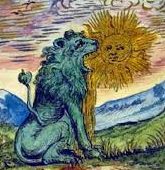
I see the better … Ovid, Petrarch, and Foscolo

Spoken by Medea in the Metamorphoses as she first argues down her passion for Jason

Video meliora proboque, deteriora sequor (7.20-21)

I see the better and approve, but I pursue the worse

Petrarch later adapts this line as the conclusion to one of his Canzoniere written after Laura’s death:

né mai peso fu greve
quanto quel ch’i’ sostengo in tale stato:
ché co la morte a lato
cerco del viver mio novo consiglio,
et veggio ‘l meglio, et al peggior m’appiglio (264.132-136)

Nor ever was weight so oppressive
as that which I sustain in such a state:
For with death at my side
I seek my new plan for living,
And I see the better, and yet to the worse do I cling

And Ugo Foscolo in his Sonnetti takes it back up over four centuries later:

Tal di me schiavo, e d’altri, e della sorte,
conosco il meglio ed al peggior mi appiglio,
e so invocare e non darmi la morte. (2.12-14)

So much a slave of myself, of others, and of the fates,
I know the better and cling to the worse,
and can pray for death but not give it to myself

It is the image of the ungraspable phantom of life; and this is the key to it all

Reading Ovid’s version of the Narcissus story in the Metamorphoses made me wonder if Melville had it specifically in mind in the early chapters of Moby Dick.  I remember vaguely that he had bought a set of classics in translation in the the years (1849?) leading into the writing of the novel but can’t recall what beyond the tragedians and Homer were included there.  I only half-entertain the idea because the divide between Ahab and Ishmael can, by one obviously reductionist view, be collapsed to the former being unable to recognize the whale as ‘shadow of a reflected form with no substance of its own’ and his accordingly being incapable of letting it go.

And still deeper the meaning of that story of Narcissus, who because he could not grasp the tormenting, mild image he saw in the fountain, plunged into it and was drowned. But that same image, we ourselves see in all rivers and oceans. It is the image of the ungraspable phantom of life; and this is the key to it all (Moby Dick ch 1)

What [Narcissus] sees he knows not; but that which he sees he burns for, and the same delusion mocks and allures his eyes.  O fondly foolish boy, why vainly seek to clasp a fleeting image? What you seek is nowhere; but turn yourself away and the object of your love will be no more.  That which you behold is but the shadow of a reflected form and has no substance of its own.  With you it comes, with you it stays, and it will go with you – if you can go. (Loeb edition translated by Frank Justus Miller, pg 155)


Quid videat, nescit: sed quod videt, uritur illo,
atque oculos idem, qui decipit, incitat error.
430Credule, quid frusta simulacra fugacia captas?
quod petis, est nusquam; quod amas, avertere, perdes.
Ista repercussae, quam cernis, imaginis umbra est:
nil habet ista sui; tecum venitque manetque,
tecum discedet, si tu discedere possis. (Metamorphoses 3.428-434)