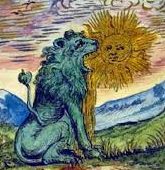
Part three of what is apparently become a recurring series on bad books as food wrappings (part 1 and part 2). Here we expand to toilet paper.
Robert Herrick allusively in To his Booke
Have I not blest thee? Then go forth, nor fear
Or spice, or fish, or fire, or close-stools here.
But with thy fair Fates leading thee, Go on
With thy most white Predestination.
Nor thinkd these Ages that do hoarcely sing
The farting Tanner and familiar King,
The dancing Frier, tatter’d in the bush;
Those monstrous lies of little Robin Rush,
Tom Chipperfeild, and pretty-lisping Ned,
That doted on a Maide of Gingerbread;
The flying Pilcher and the frisking Dace,
With all the rabble of Tim-Trundell‘s race
(Bred from the dung-hils and adulterous rhimes),
Shall live, and thou not superlast all times.
No, no; thy Stars have destin’d Thee to see
The whole world die and turn to dust with thee.
He’s greedie of his life, who will not fall
When as a publick ruine bears down All.
Martial, predictably, provides at least one classical instance (12.61):
Versus et breve vividumque carmen
in te ne faciam times, Ligurra,
et dignus cupis hoc metu videri.
sed frustra metuis cupisque frustra.
in tauros Libyci fremunt leones,
non sunt papilionibus molesti.
quaeras censeo, si legi laboras,
nigri fornicis ebrium poetam,
qui carbone rudi putrique creta
scribit carmina quae legunt cacantes.
frons haec stigmate non meo notanda est.
You are afraid, Ligurra, of my writing verses against you, a brief, lively poem, and you long to seem worthy of such an apprehension. But idle is your fear and idle your desire. Libyan lions roar at bulls, they do not trouble butterflies. I advise you, if you are anxious to be read of, to look for some boozy poet of the dark archway who writes verses with rough charcoal or crumbling chalk which folk read while they shit. This brow of yours is not for marking with my brand.
And Robert Burton, as so often, is the likely connector – citing the Martial passage in his Democritus to the Reader prologue of The Anatomy of Melancholy.
By which means it comes to passe, that not only *Libraries and Shops are full of our putid Papers, but every Close-stoole and Jakes, Scribunt carmina quae legunt cacantes; they serve to put under Pies, to lap Spice in, and keepe Rost-meat from burning.
*Non tam referta bibliothecae quam cloacae. [the libraries are not as full as the drains.]
 Extracts